How to evaluate detergent performance
Foam appearance alone does not measure cleaning power; testing should match real use.
Read article
An original bilingual library on detergent chemistry, raw material selection, operations and quality control.
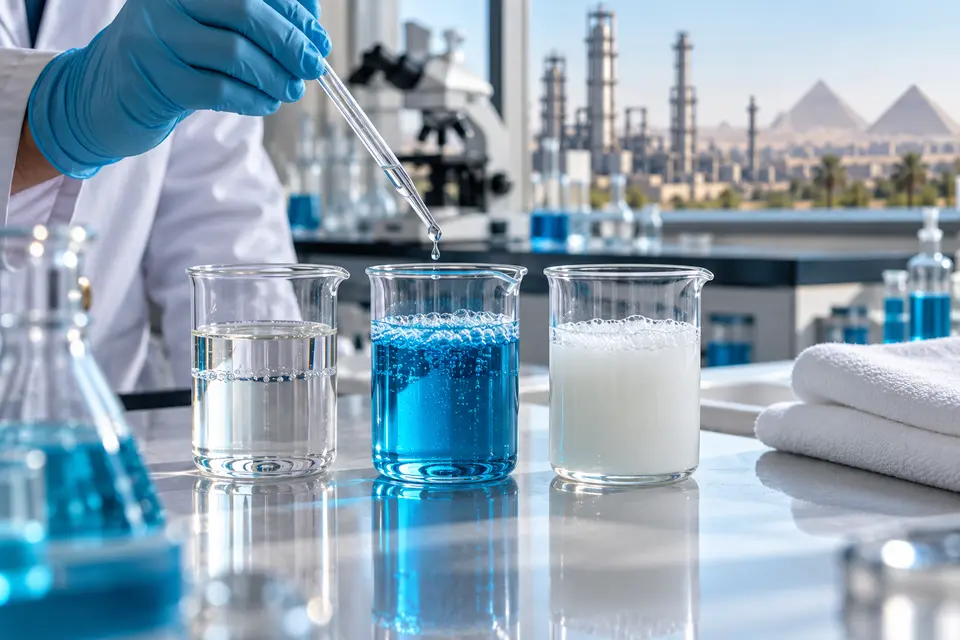 MS CHEM / 01
Foam appearance alone does not measure cleaning power; testing should match real use.
Read article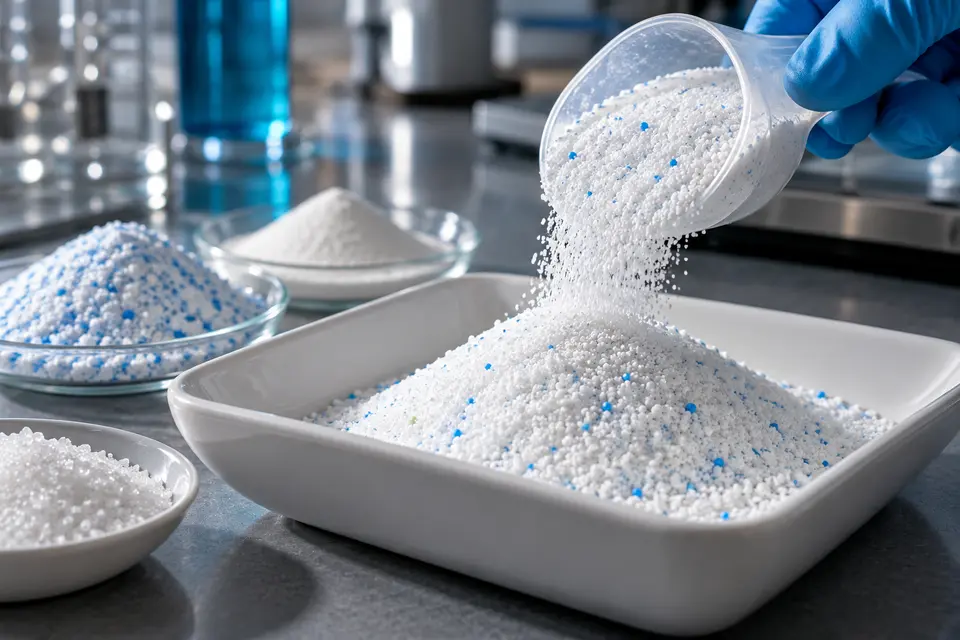 MS CHEM / 02
Powder performance depends on particle distribution, dissolution, moisture and the surfactant system.
Read article MS CHEM / 03
Fragrance is part of product experience but must work with the cleaning base and pack.
Read article MS CHEM / 04
Aim for quick cleaning and minimal visible residue while considering surrounding materials.
Read article MS CHEM / 05
User experience combines cleaning, skin feel, rinsing and product stability.
Read article MS CHEM / 06
Dishwashing liquid priorities span degreasing, foam, rinsing and usability.
Read article MS CHEM / 07
Degreasing requires understanding oil type, surface and application method.
Read article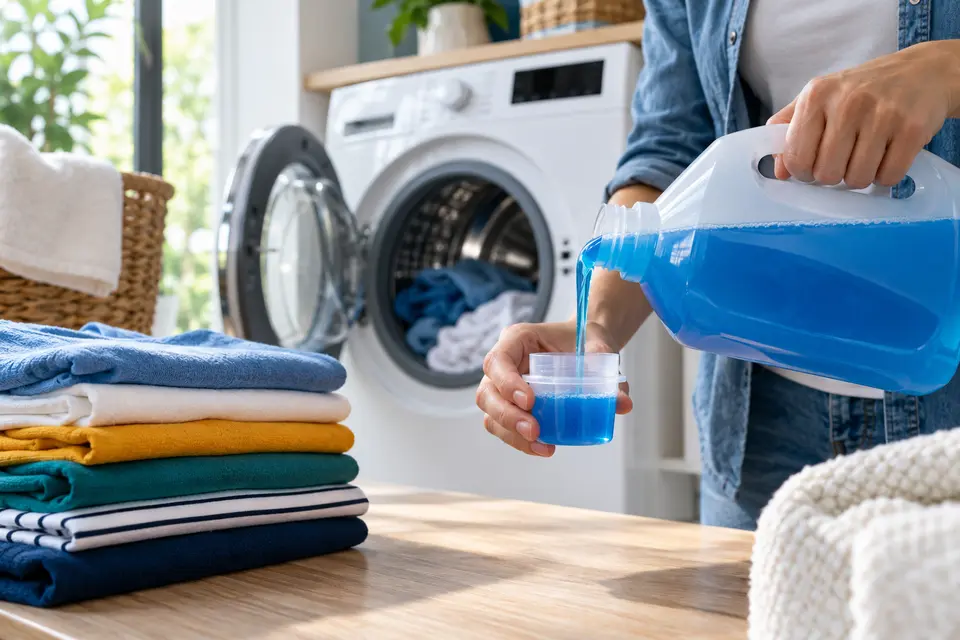 MS CHEM / 08
Liquid laundry development balances stain removal, stability and rinsing.
Read article MS CHEM / 09
Fabric softeners require careful ingredient compatibility and sensory stability.
Read article MS CHEM / 10
Surfactants assist wetting and soil removal, but selection depends on the whole system.
Read article MS CHEM / 11
Anionic systems are common in cleaning, while compatibility still needs evaluation.
Read article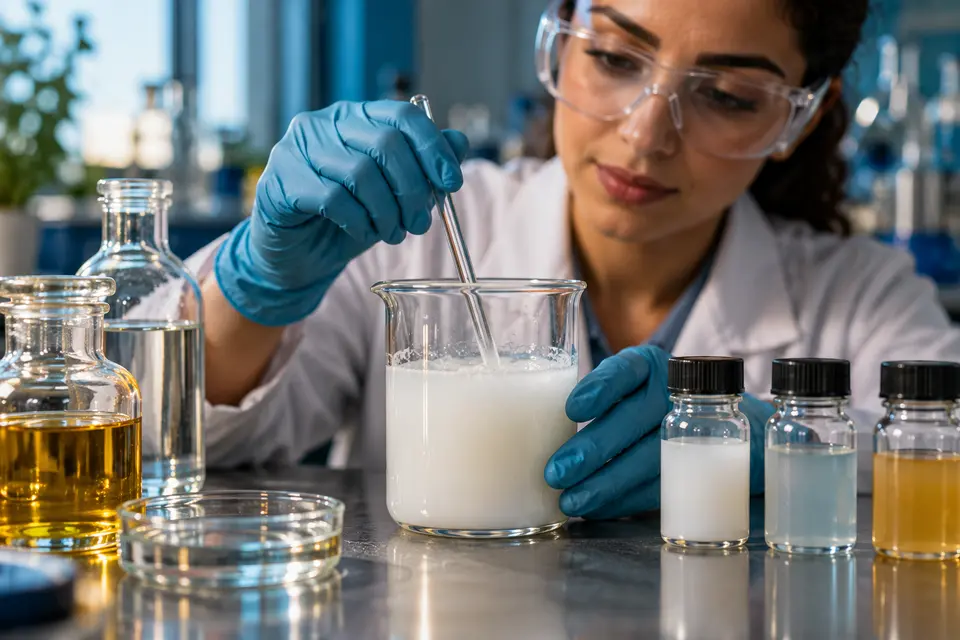 MS CHEM / 12
Nonionics offer options for wetting and removal of particular soils.
Read article MS CHEM / 13
Cationics are useful in applications needing different surface interactions.
Read article MS CHEM / 14
Amphoterics can modify foam and feel within suitable systems.
Read article MS CHEM / 15
Differences in active content and salt levels can affect production calculations and viscosity.
Read article MS CHEM / 16
LABSA is an important ingredient in some detergent systems and requires controlled handling.
Read article MS CHEM / 17
AOS can contribute to cleaning systems with specific foam and performance goals.
Read article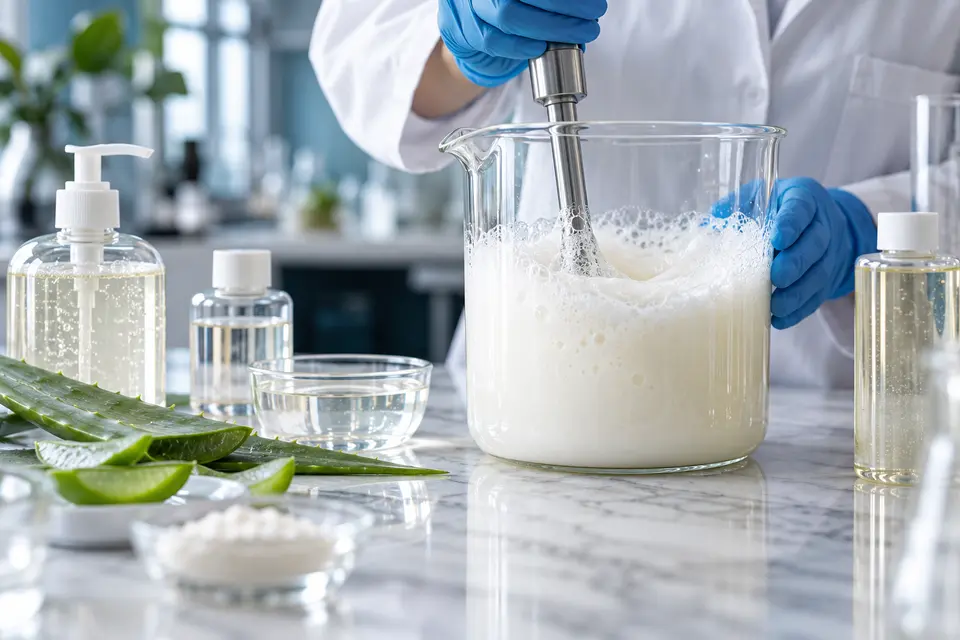 MS CHEM / 18
Betaine is used in selected cleaning systems to tune formula behavior.
Read article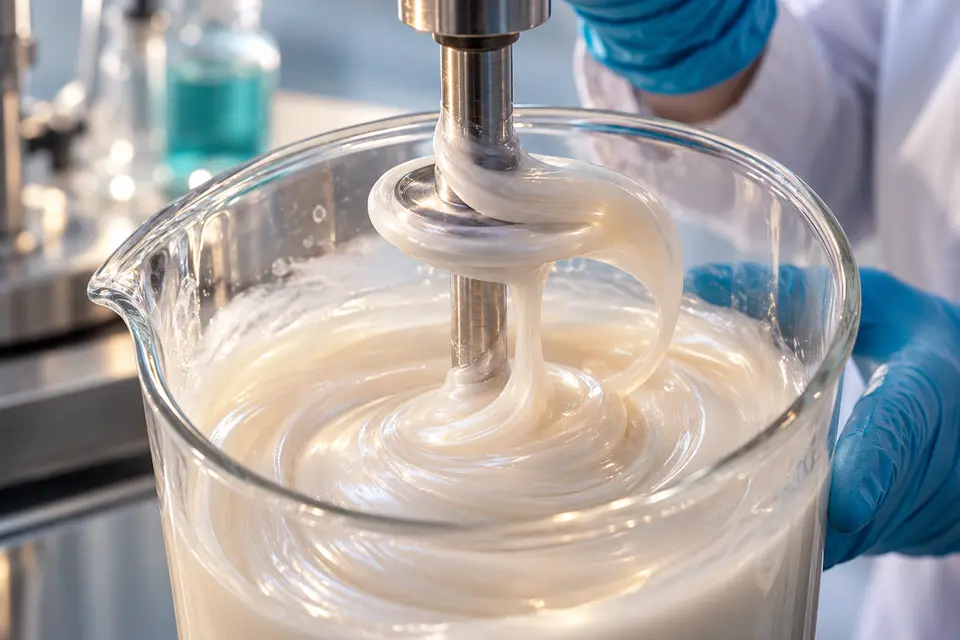 MS CHEM / 19
Functional additives influence feel, foam and body but cannot replace balanced design.
Read article MS CHEM / 20
Water is both a formulation input and a use condition and can significantly affect outcomes.
Read article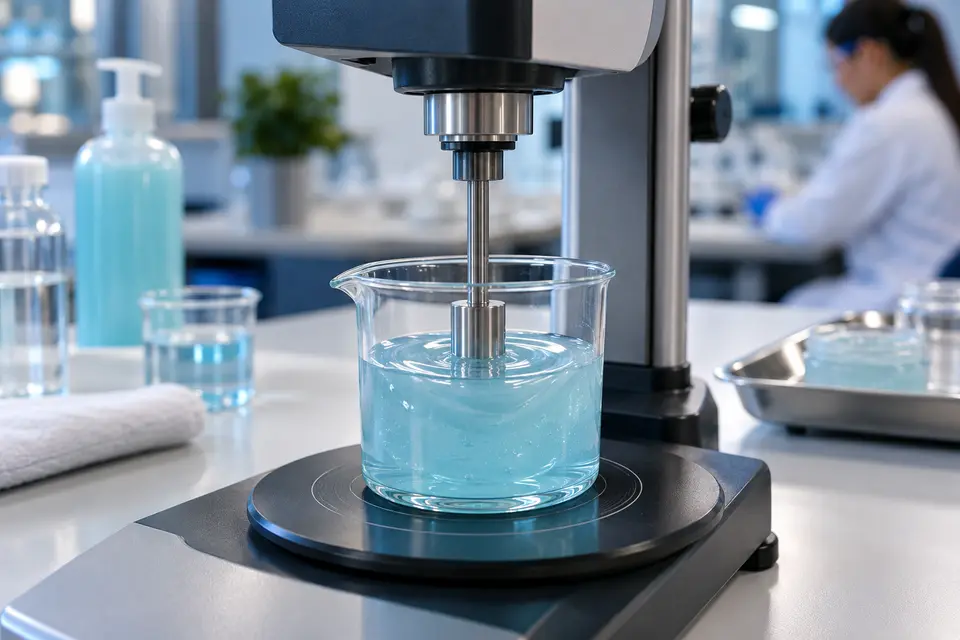 MS CHEM / 21
Thicker is not always better; flow, stability and dispensing matter.
Read article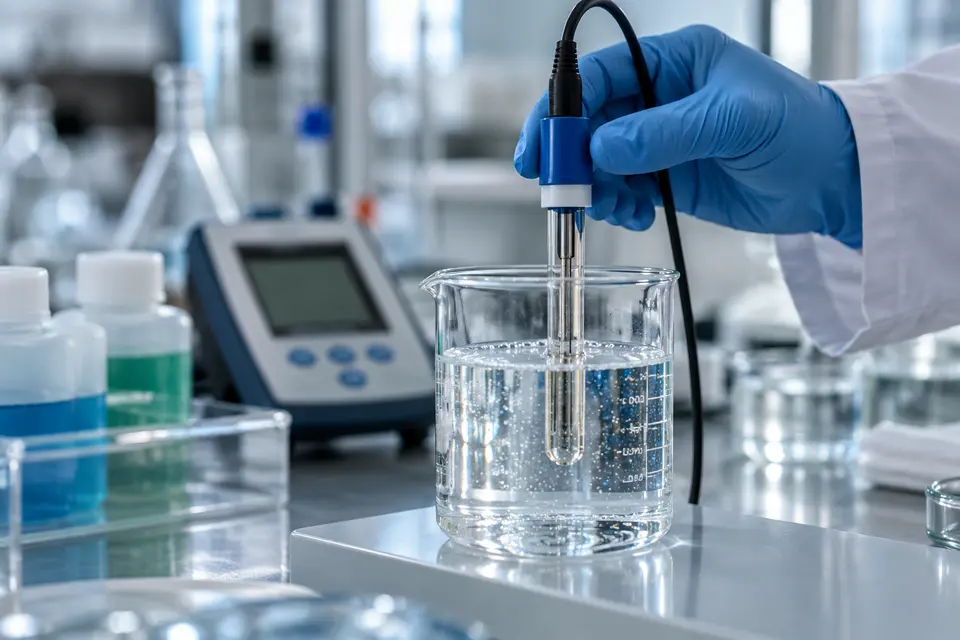 MS CHEM / 22
pH matters to performance, stability and compatibility, but does not define quality alone.
Read article MS CHEM / 23
Foam can be desirable in one application and disruptive in another.
Read article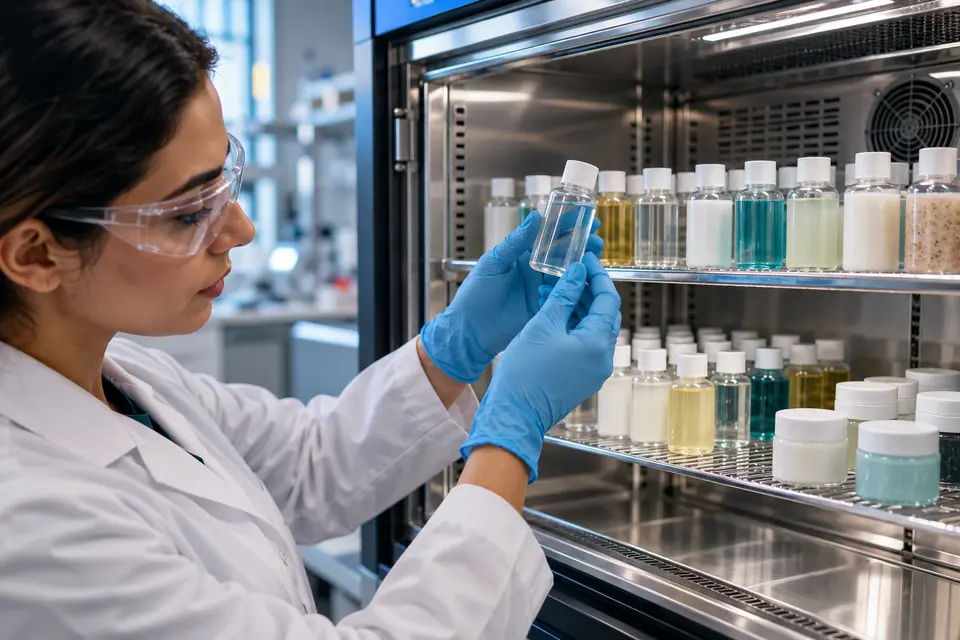 MS CHEM / 24
Water-based products need appropriate microbiological, physical and chemical stability assessment.
Read article MS CHEM / 25
Fragrance depends on solvents, surfactants, packaging and storage conditions.
Read article MS CHEM / 26
Soil removal and antimicrobial disinfection are different claims.
Read article MS CHEM / 27
Useful QC targets risks and critical properties rather than test count.
Read article MS CHEM / 28
Good records explain batch variation and make troubleshooting easier.
Read article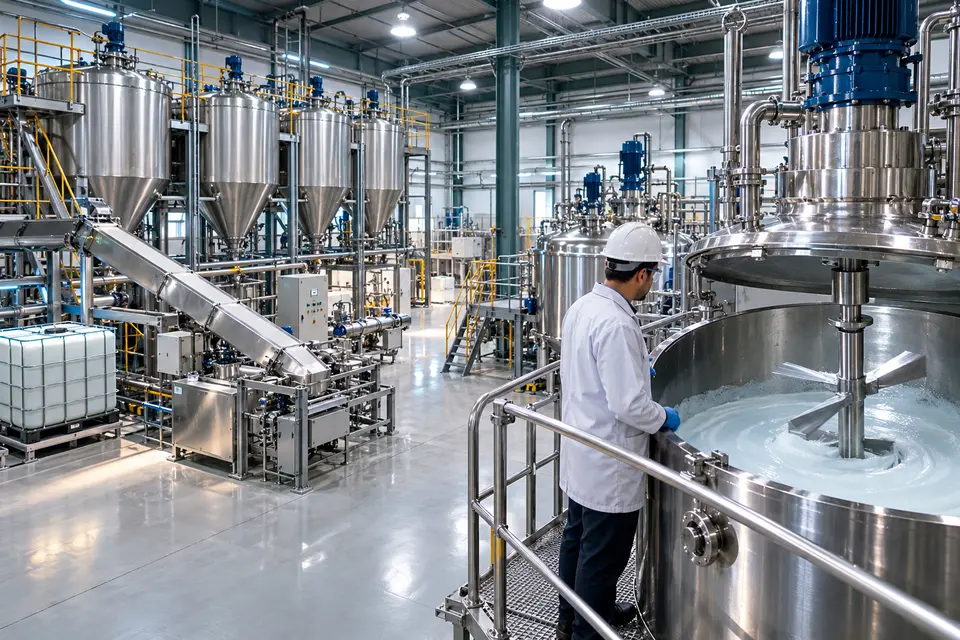 MS CHEM / 29
Equipment choice depends on viscosity, batch scale, hygiene and maintenance.
Read article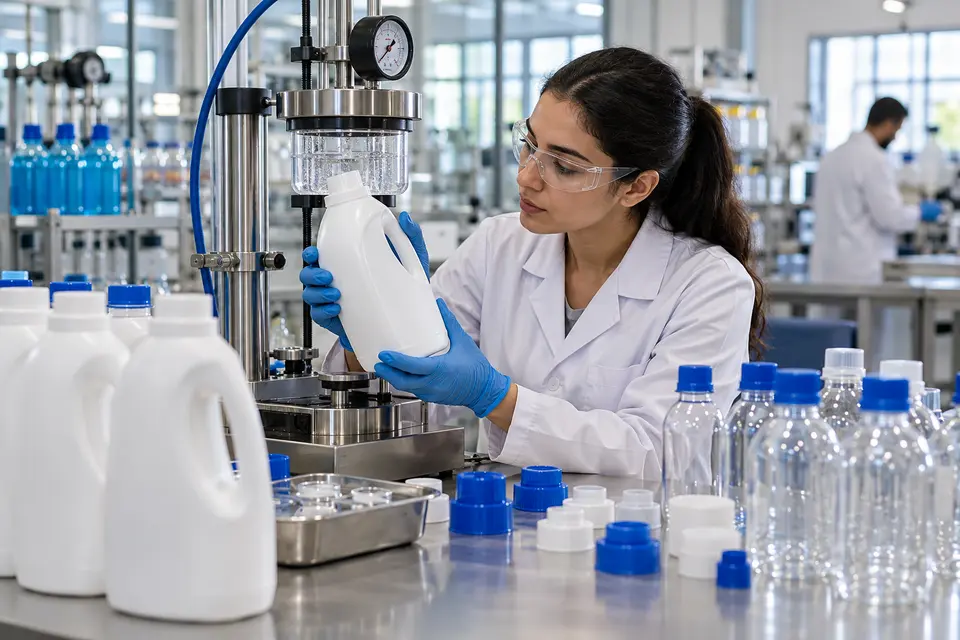 MS CHEM / 30
Packaging is functional: it affects stability, safety and usability as well as appearance.
Read article MS CHEM / 31
Price is only part of sourcing; consistency, documentation and supply matter.
Read article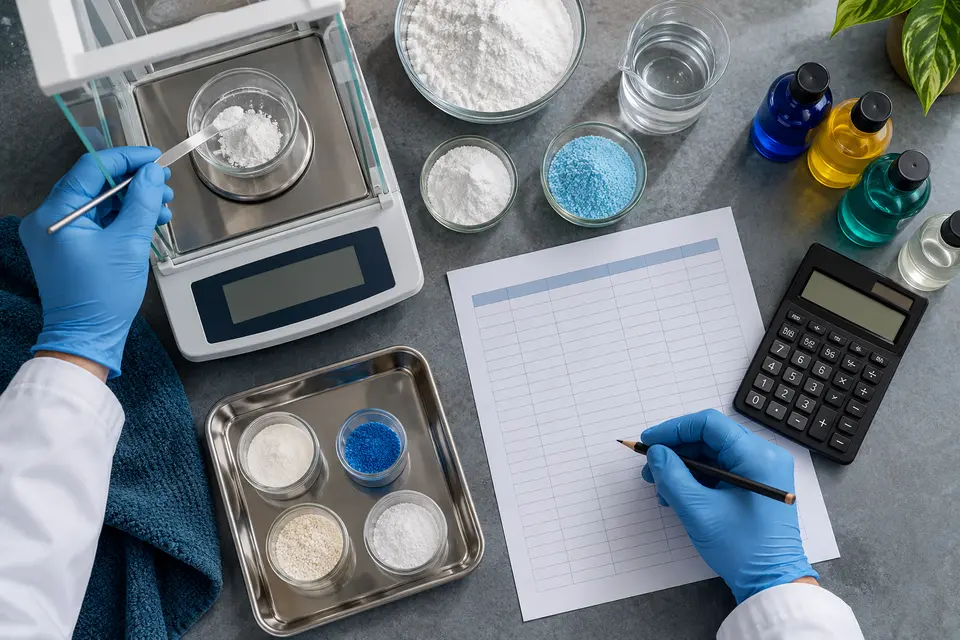 MS CHEM / 32
The best savings protect performance and customer trust over time.
Read article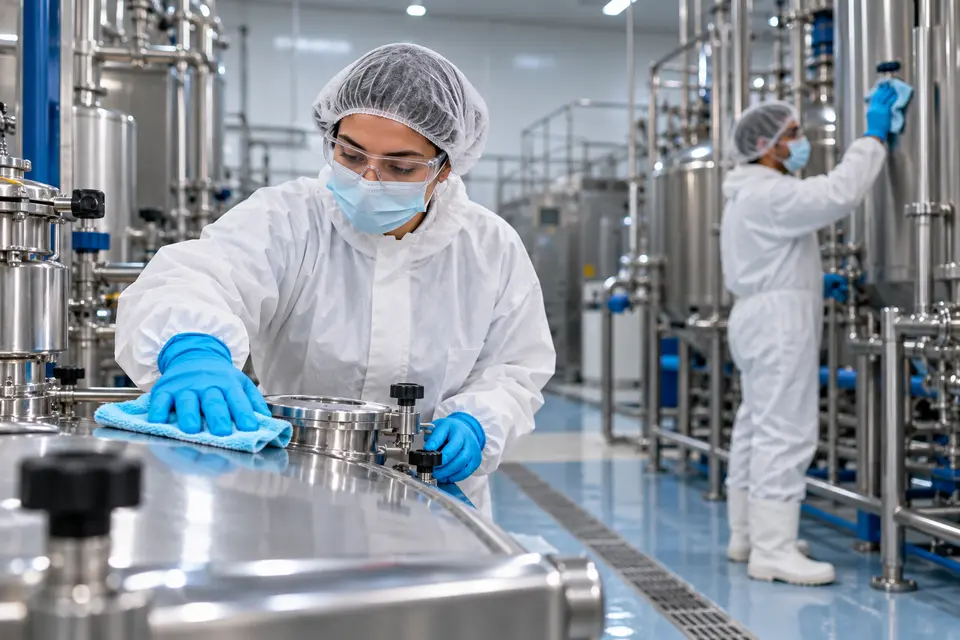 MS CHEM / 33
Structured cleaning between batches reduces contamination and cross-product carryover.
Read article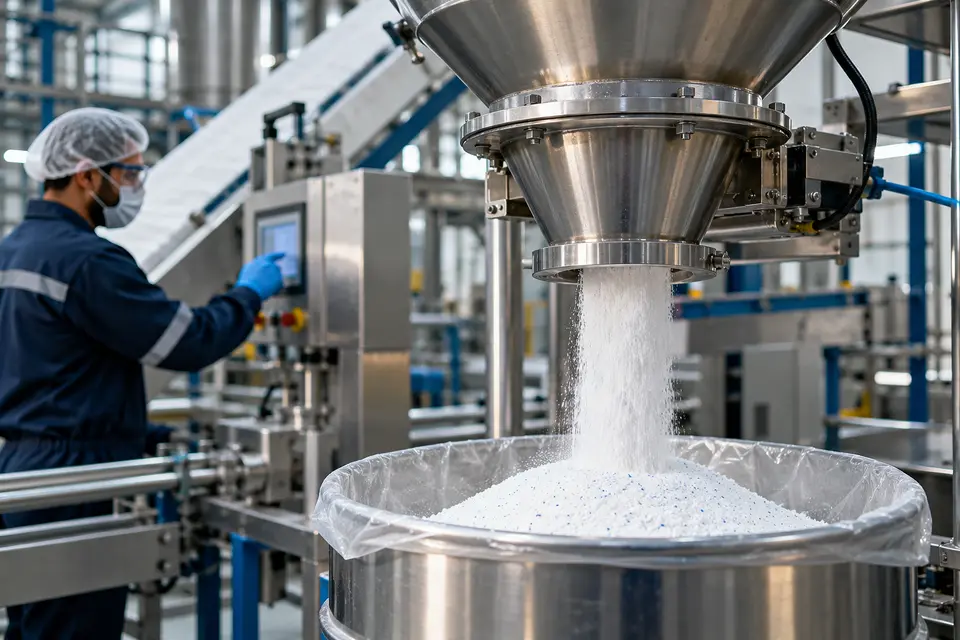 MS CHEM / 34
Humidity, particle size and dust affect processing and workplace safety.
Read article MS CHEM / 35
Concentration may reduce pack volume but needs careful performance and usability evaluation.
Read article MS CHEM / 36
Root-cause work means isolating variables and recording evidence before reformulation.
Read article MS CHEM / 37
Salts, impurities and microbes in process water can affect product consistency.
Read article MS CHEM / 38
Environmental performance can improve through material, packaging, dosing and process choices.
Read article MS CHEM / 39
Clear procedures, training and appropriate storage underpin safe chemical work.
Read article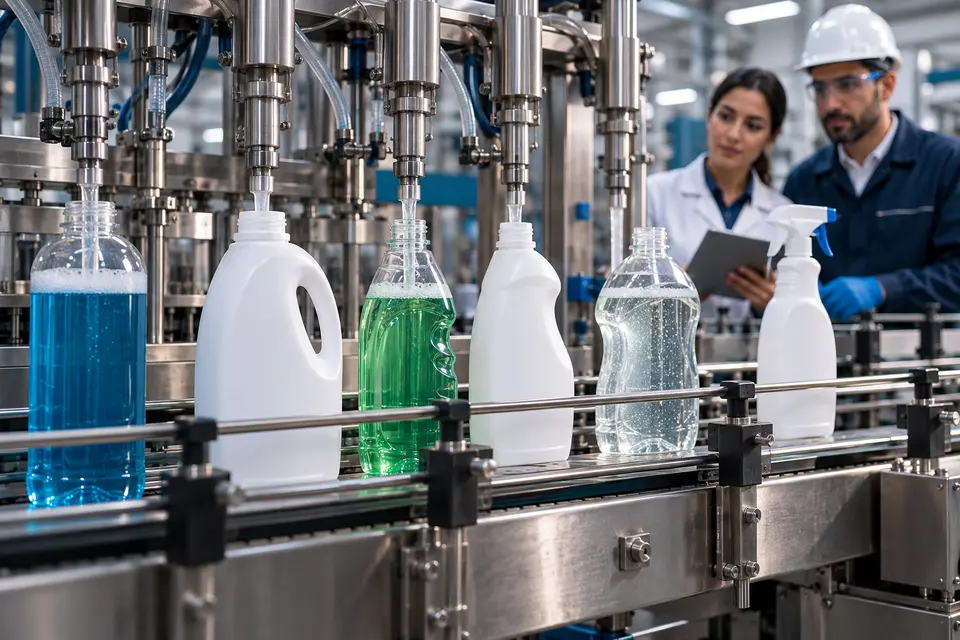 MS CHEM / 40
Launching a cleaner connects market need, specifications, testing, supply and labeling.
Read articleNo results found. Try another search or topic.