Packaging chemical products
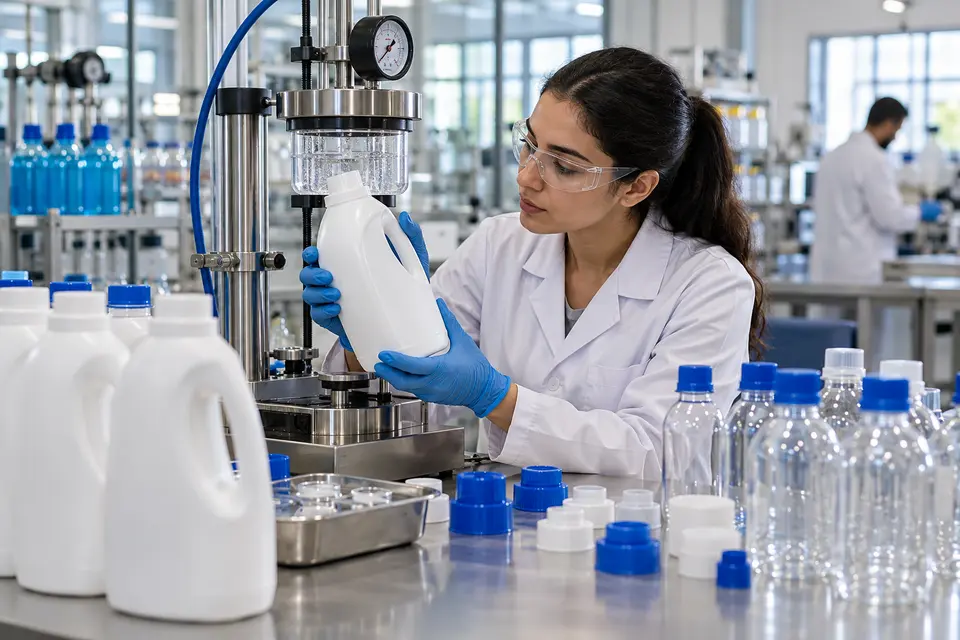
Packaging is functional: it affects stability, safety and usability as well as appearance.
Read article
Environmental performance can improve through material, packaging, dosing and process choices.
← Back to insights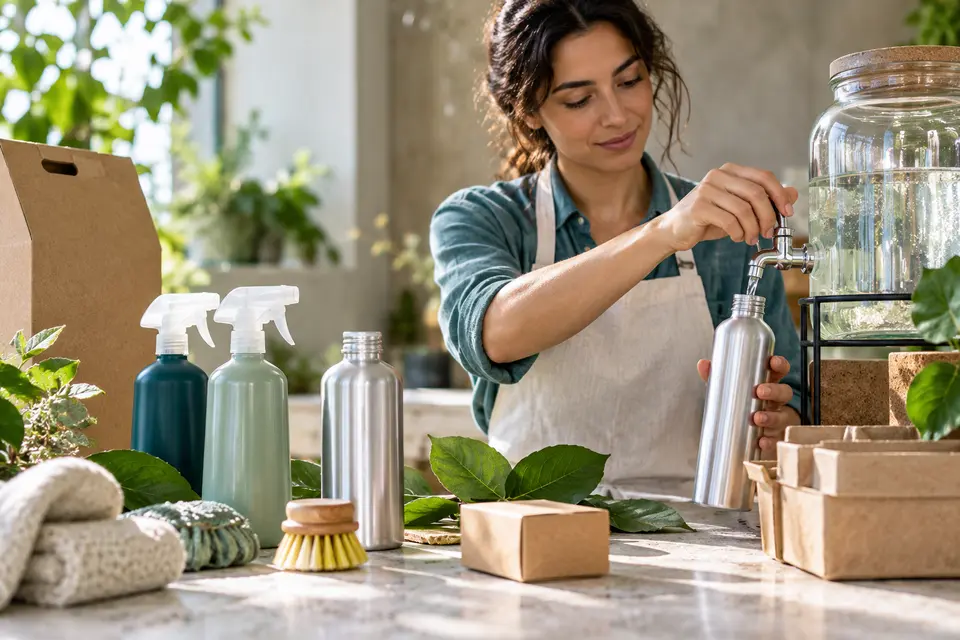
Environmental performance can improve through material, packaging, dosing and process choices.
Cleaning-product impacts involve ingredients, effective dose, packaging, transport, use and disposal. One design change may reduce plastic while increasing how much cleaner is consumed. Avoid a generic “eco-friendly” label without defining a demonstrated improvement, and distinguish development ambitions from substantiated consumer claims.
Methods such as OECD 301 evaluate ready biodegradability of certain substances under specified conditions. An ingredient result does not prove the finished product has no environmental effects anywhere. Improve dosing, packaging and locally feasible recycling, and compare alternatives at equivalent cleaning function using credible data without overstating what one test proves.
When studying a smaller pack of concentrate, compare the dose needed for equivalent cleaning, packaging material, transport and waste. A clearer measuring cap might reduce overuse more than a packaging-material change. If biodegradability data exist for one ingredient, do not extend that result to the entire formula. Define the impact being measured and keep marketing language within the evidence and conditions actually assessed.
Consider life-cycle impacts rather than generic labels.
Check local pack recyclability.
Avoid unsupported environmental claims.
References for general scientific principles; they do not imply MS CHEM has performed tests or holds certifications.
 MS CHEM / 30
Packaging is functional: it affects stability, safety and usability as well as appearance.
Read article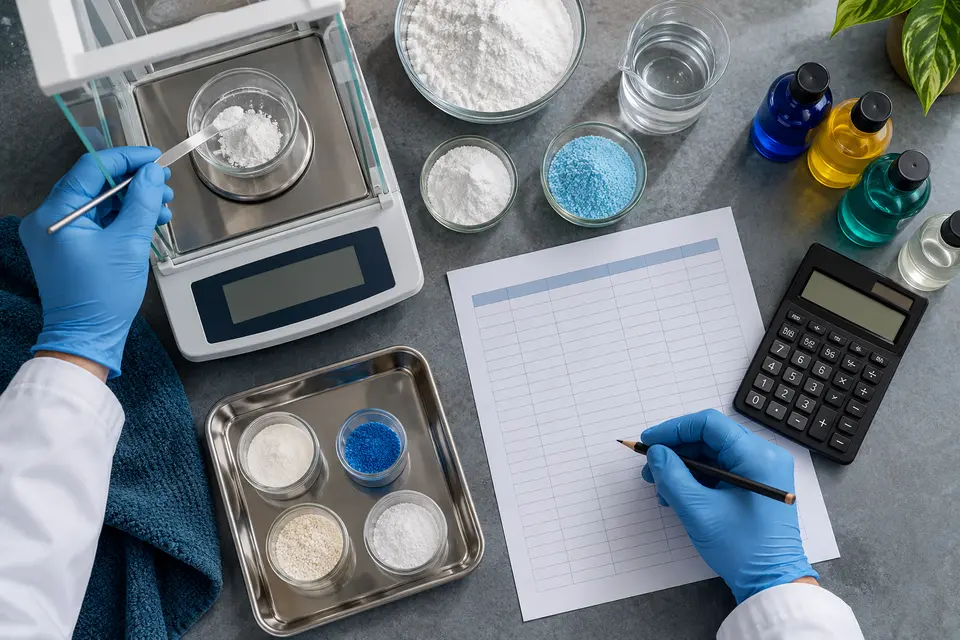 MS CHEM / 32
The best savings protect performance and customer trust over time.
Read article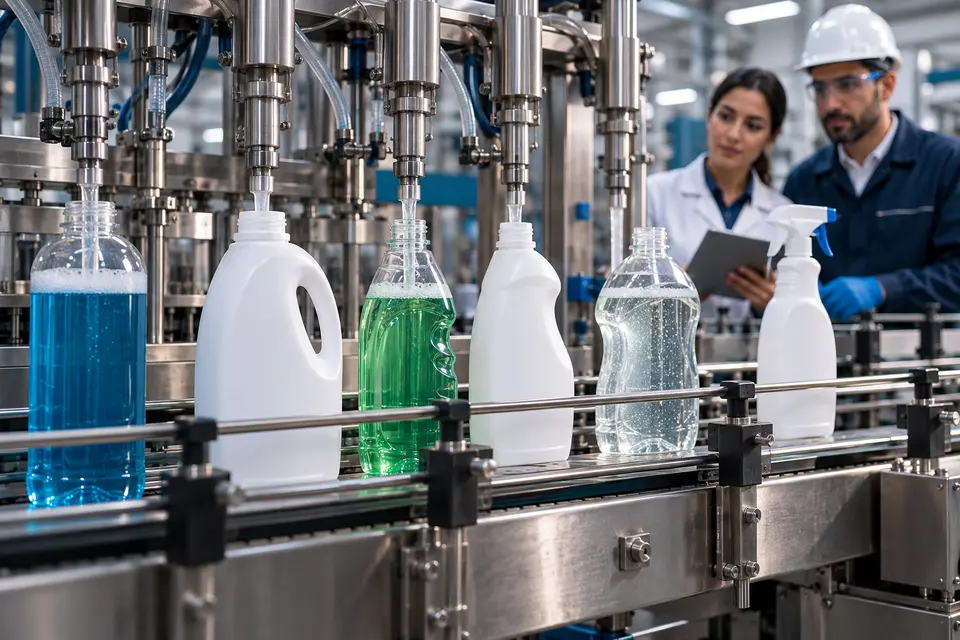 MS CHEM / 40
Launching a cleaner connects market need, specifications, testing, supply and labeling.
Read article