
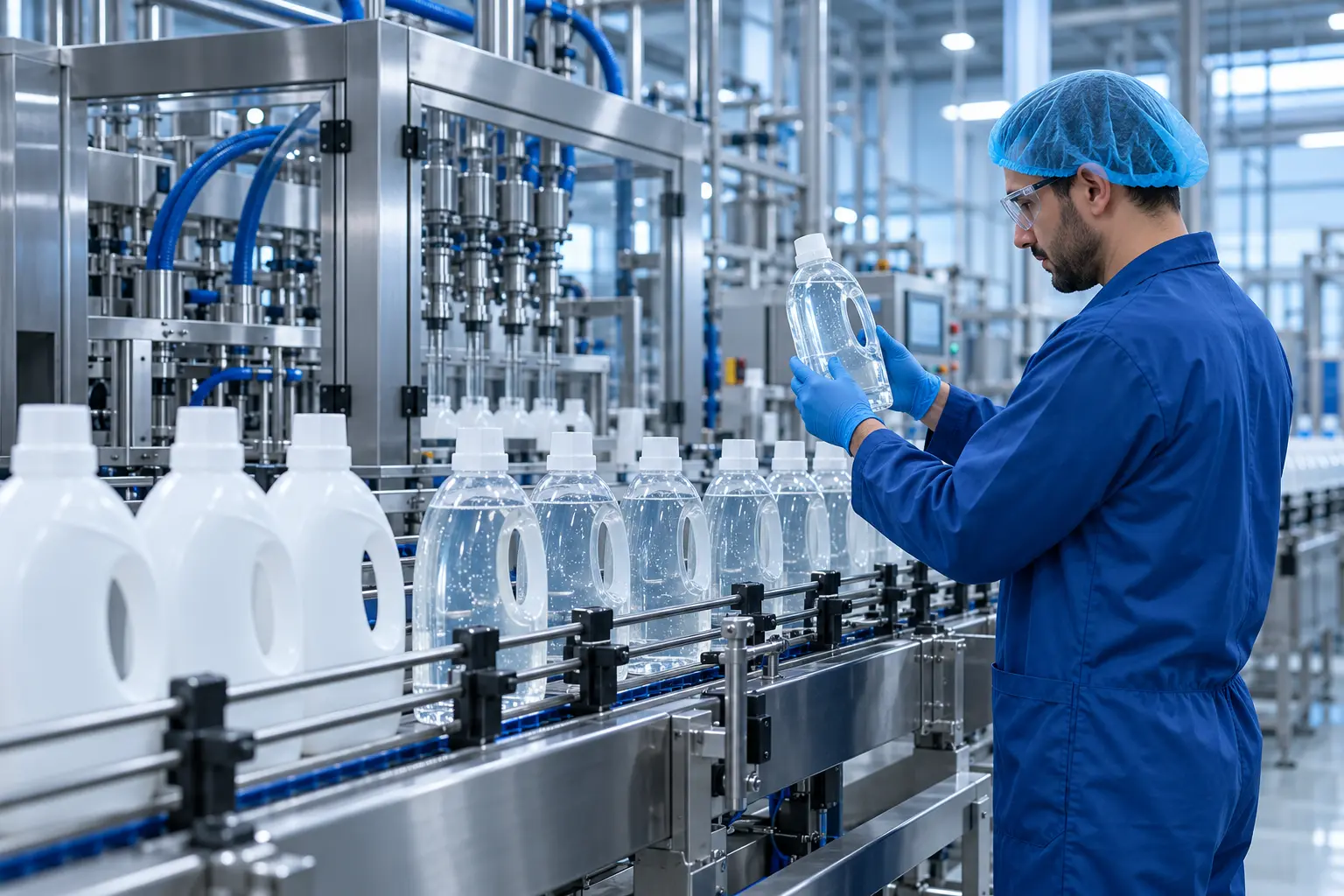
How to evaluate detergent performance
Foam appearance alone does not measure cleaning power; testing should match real use.
Read article
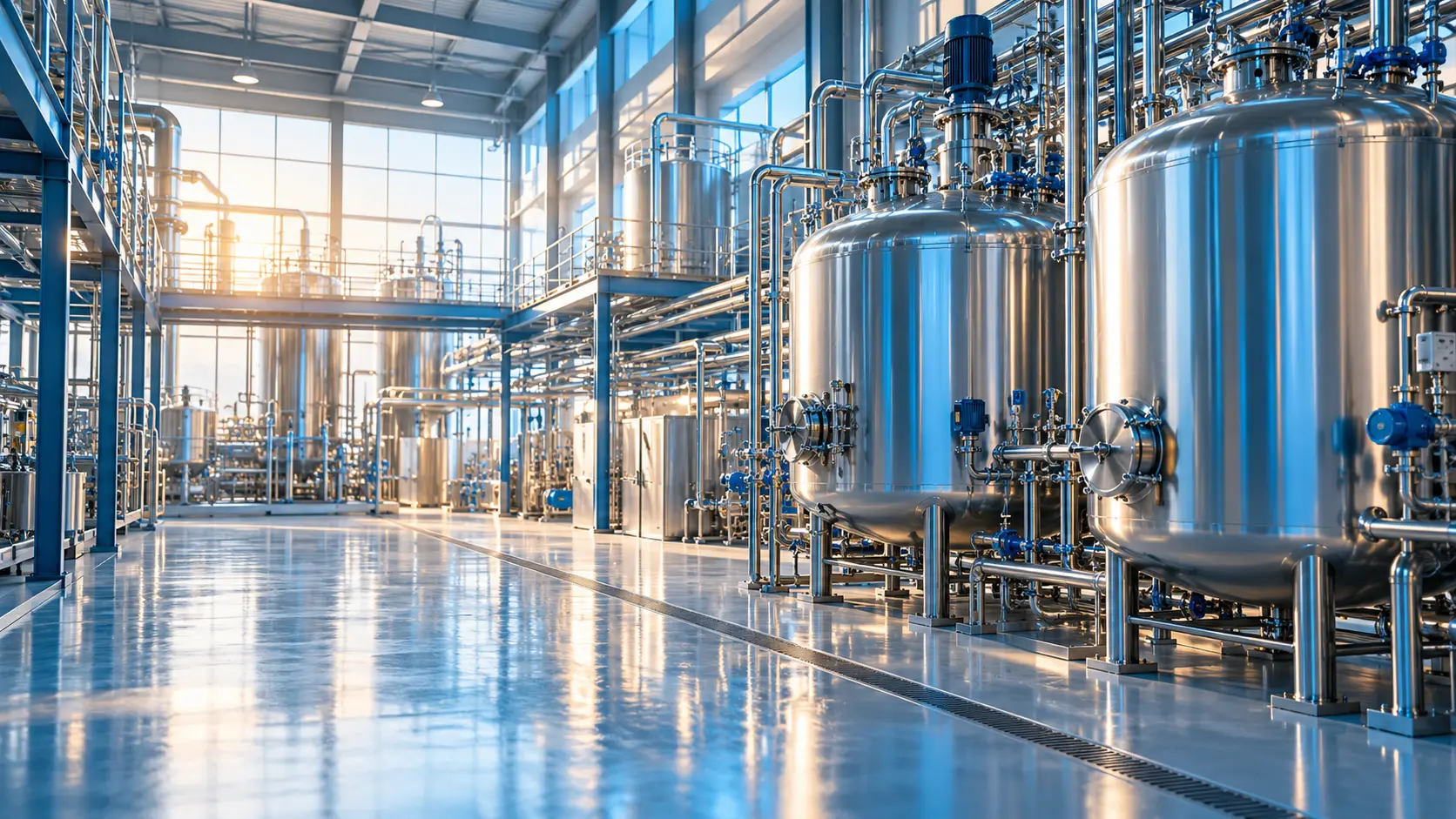
At MS CHEM, we connect ingredient knowledge, detergent development, and production quality to real-world cleaning needs.
Every chemical product has its own requirements. We start by understanding the use case and exploring ways to improve performance and consistency.
Reviewing formulation performance and exploring development routes around end use and target cost.
Exploring requirements for dishwashing, laundry, surface care, degreasers and specialized cleaners.
Understanding surfactants, solvents and additives, and assessing ingredient alternatives.
Structuring production steps and identifying control points that influence consistency.
A practical framework for monitoring pH, viscosity, appearance, stability and performance.
Assessing waste reduction, materials and packaging without losing key performance requirements.
Areas to discuss based on product type and ingredient needs.
Dishwashing, laundry, floor and surface care, and liquid hand wash.
Solubility, flow, cleaning performance and storage stability.
Degreasing, deposit removal and defining safe-use requirements for surfaces.
Surfactants, formulation aids, compatibility and storage properties.

Clear targets, measured performance and documented decisions matter throughout product development.
Formulation, production method and testing need to work together. We start with the right questions before moving to implementation.
Explore moreProduct, audience, use case and current challenge.
Performance targets, technical constraints and cost.
Relevant samples and tests before decisions.
Practical steps ready for review and improvement.
Original, approachable articles on detergents, ingredients, manufacturing and quality.
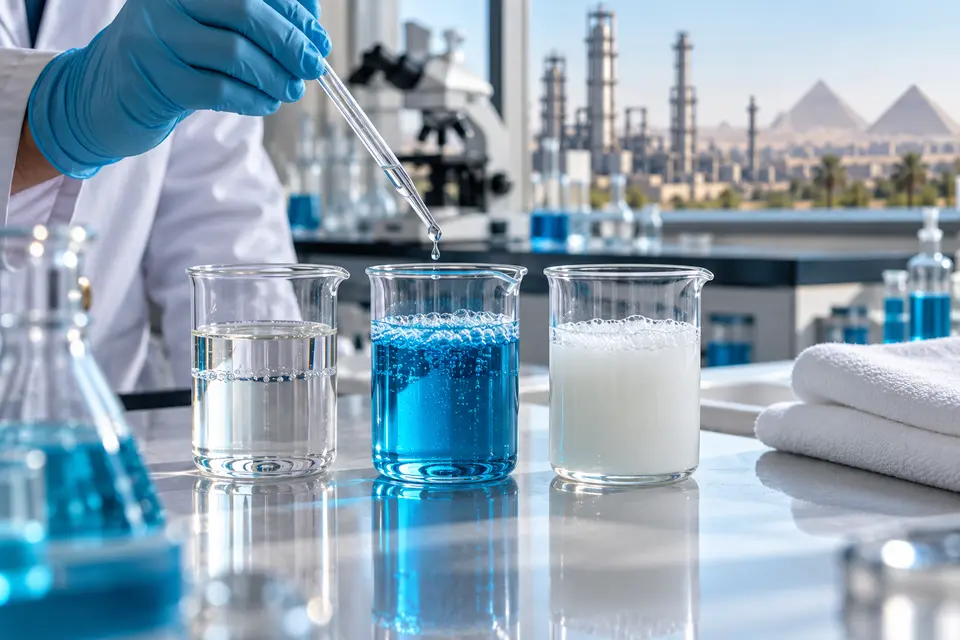 MS CHEM / 01
Foam appearance alone does not measure cleaning power; testing should match real use.
Read article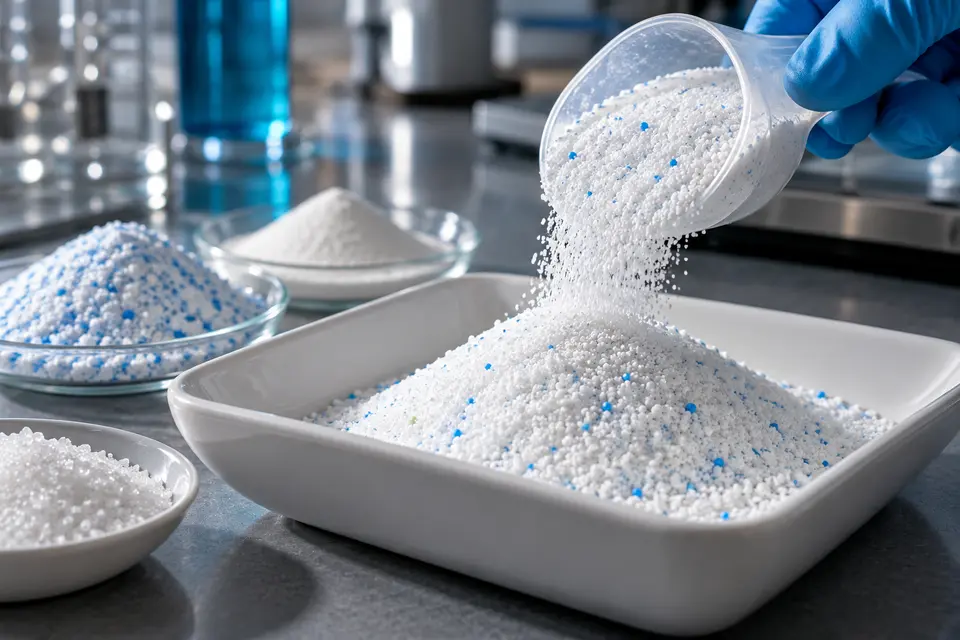 MS CHEM / 02
Powder performance depends on particle distribution, dissolution, moisture and the surfactant system.
Read article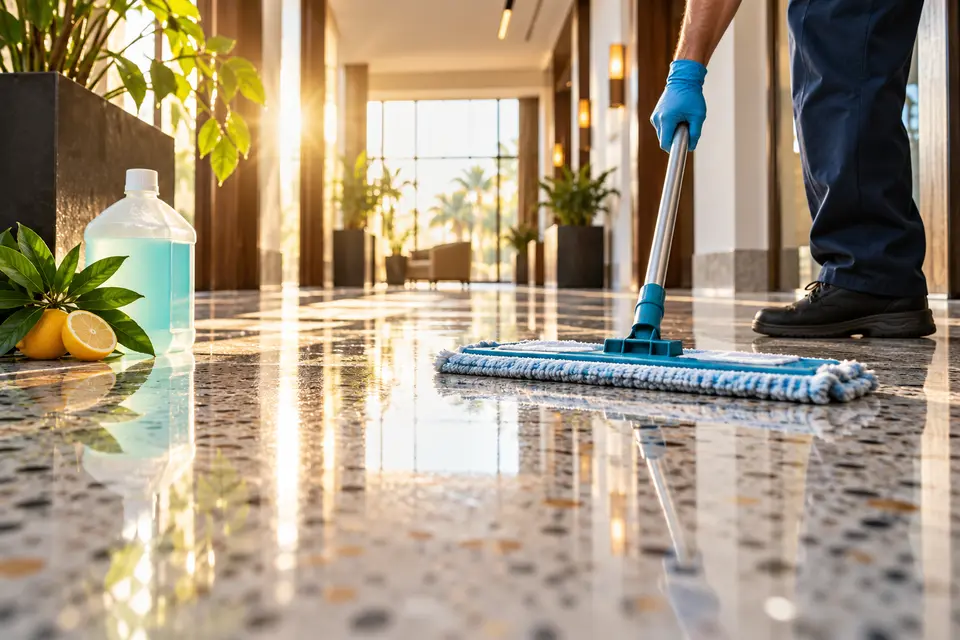 MS CHEM / 03
Fragrance is part of product experience but must work with the cleaning base and pack.
Read articleTell us what you are working on and start a conversation about possible solutions.